Choose
Where to Start? A Guide to Your First Easy-to-Read Bible
Opening the Bible for the first time should feel like a homecoming, not a struggle. Discover why the right translation and format make all the difference for new readers.
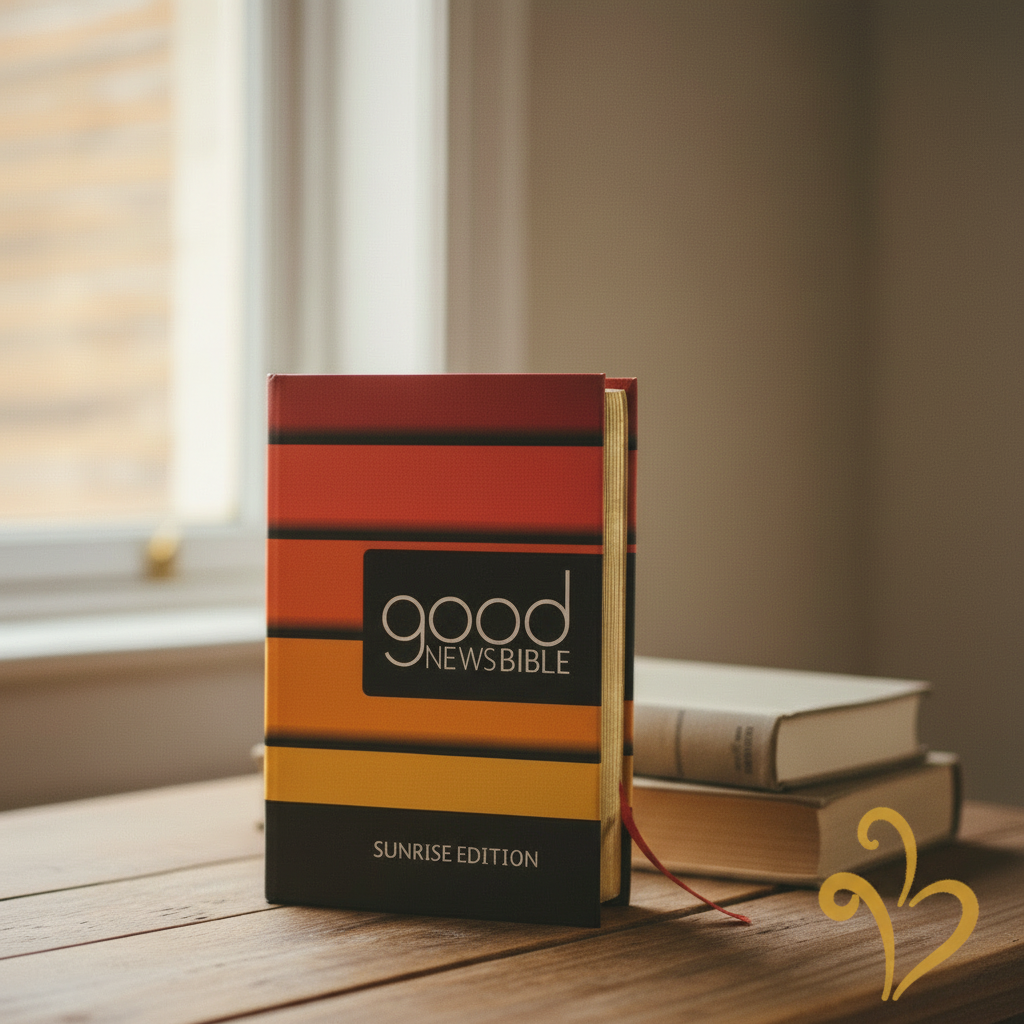
Stepping into the world of Scripture for the very first time is an exciting milestone, but it can also feel a little overwhelming. If you have ever opened a traditional Bible and felt lost in old-fashioned language or dense, tiny columns of text, you are not alone. Reading the Bible shouldn't feel like a chore or a complex academic puzzle; it should be a source of clarity, comfort, and inspiration.
For those starting their journey today, the priority is clarity. You need a Bible that speaks your language—the English we use in everyday conversation—without losing the profound depth of the original message. This is where modern language versions and thoughtfully designed layouts become essential tools for the new reader.
Why Translation Matters
The Bible was originally written in ancient Hebrew, Aramaic, and Greek. For centuries, the most famous English translation was the King James Version, known for its poetic 'thee' and 'thou' language. While beautiful, it can be a barrier if you are trying to understand the narrative of Jesus' life or the wisdom of the Psalms for the first time.
Versions like the Good News Bible (GNB) were created specifically to overcome this barrier. The translators used a principle called 'dynamic equivalence,' which focuses on conveying the exact meaning of the original sentences in natural, modern English. When you read a version like this, the stories of the New Testament start to feel as immediate and real as a news report or a letter from a friend.
Look for Reader-Friendly Features
Beyond the words themselves, the physical layout of a Bible affects how much you will enjoy reading it. If you are reading for the first time, look for these 'user-friendly' features:
Clear Headings: These help you understand the context of the story before you dive into the verses.
Line Drawings or Illustrations: Subtle visual aids, like the famous Annie Vallotton sketches in the Good News Bible, can help bring the text to life.
White Space: A layout that isn't too crowded is much easier on the eyes and helps you focus on one passage at a time.
Making Reading a Habit
Once you have an easy-to-read Bible in your hands, the next question is often: where do I begin? Most people suggest starting with the Gospel of Mark or John in the New Testament. These books tell the story of Jesus in a direct way that serves as the foundation for everything else in the Bible.
"Thy word is a lamp unto my feet, and a light unto my path." — Psalm 119:105
When the language is clear, that 'light' shines much brighter. You don't have to be a theologian to understand the core message of the Bible. By choosing a version like the Sunrise Edition featured above, you are giving yourself the gift of clarity. Its vibrant design serves as a reminder that the Bible is a living, breathing book meant to be enjoyed every day, not just left on a shelf.
The Longest Journey Starts with a Single Page
Remember that you don't have to understand everything all at once. Even people who have studied the Bible for fifty years still find new things in its pages. The goal for your first Bible should simply be to get to know the 'big story'—God’s relationship with humanity. By choosing a hardback that feels durable and a translation that feels natural, you are setting yourself up for a lifetime of discovery. Whether you are reading for five minutes before bed or taking a deep dive on a Sunday afternoon, having the right book makes every moment more meaningful.
Be the first to like this
Frequently Asked Questions
What are some good Bible translations for beginners?
Keep reading
Choose
Which Gospel Should You Give a Seeker? Choosing the Best Entry Point
Sharing the story of Jesus is a privilege, but where do you start? We explore why certain Gospels are better suited for outreach and why John is the perennial favorite.
Read guide →

Choose
Beauty in the Word: A Guide to Hosanna Revival and Aesthetic Bibles
Discover how the fusion of artistic design and sacred scripture through Hosanna Revival is helping readers engage more deeply with the Word of God.
Read guide →
Choose
The Traveller’s Guide: Choosing the Perfect Bible for Your Holiday
Packing for a trip is an art, and choosing the right Bible to accompany you is no exception. Find your ideal travel companion for your next journey.
Read guide →