Opening reflection
Most of us pick up a Bible already translated, printed and bound. Behind that ordinary object lies a long story of scribes, councils, scholars and printers. Knowing a little of that story doesn’t shake confidence in the Bible — it tends to deepen it.
- Sketch how the Bible moved from oral tradition to written texts to printed pages.
- Understand what ‘canon’ means and how it was recognised.
- Grasp the basics of translation and why different translations exist.
- Use multiple translations as a help, not a worry.
Key Bible passages
Deuteronomy 6:4–9
An ancient call to remember and pass on — a glimpse of oral and written tradition working together.
Luke 1:1–4
Luke describes his careful method of gathering accounts and writing them down.
Open these in your Bible, or in a free reader like Bible Gateway or YouVersion.
Teaching
From oral to written
Many parts of the Bible existed first as spoken tradition — stories, songs, laws and sayings carried in the memory of a community. Over time, these were written down and gathered into books. This pattern continues into the New Testament era, where the apostles’ teaching was treasured before it was put into letters and Gospels.
This is not unusual for ancient texts. What’s remarkable is the care with which both Jewish and Christian communities copied and preserved their writings.
Manuscripts and scribes
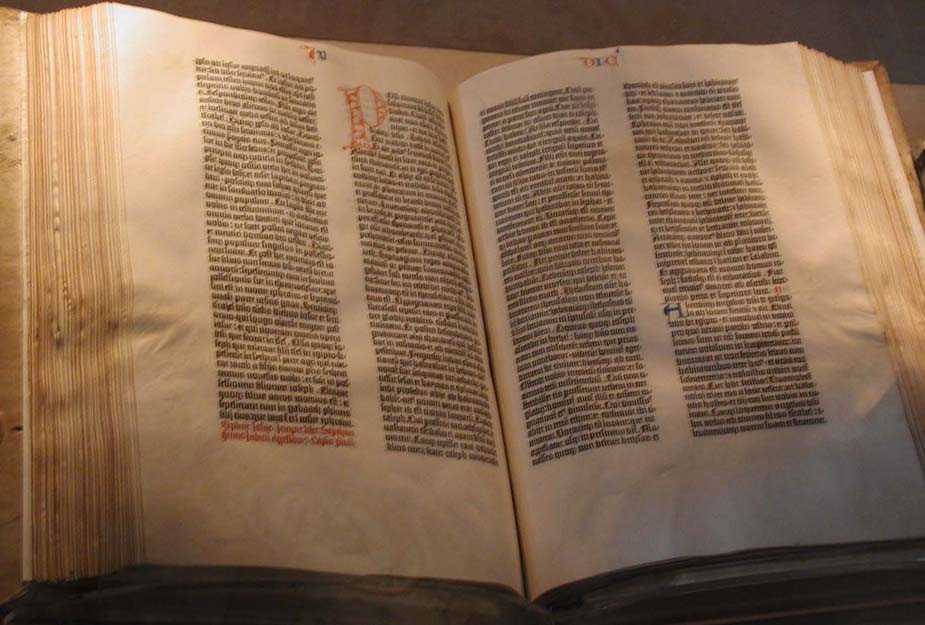
For most of history, every copy of the Bible was made by hand. Scribes copied carefully, often with checking systems built in. Scholars today have thousands of manuscripts to compare, in Hebrew, Aramaic and Greek, with significant overlap between them.
The differences between manuscripts are mostly small (spelling, word order, occasional phrases). The big shape of the Bible is remarkably stable across the centuries.
Canon: which books?
‘Canon’ means the list of books recognised as Scripture. For the Old Testament, Jewish communities had largely settled on a recognised set well before the time of Jesus. For the New Testament, the early church recognised books that were apostolic in origin, widely used and consistent with the faith already received.
Different Christian traditions today recognise slightly different Old Testament lists (some include extra books called the Apocrypha or Deuterocanon). Most Bibles in the UK use the 66-book Protestant canon.
Translation and printing
The Bible has been translated into more languages than any other book. Translators work from the best available Hebrew, Aramaic and Greek manuscripts. Different translations make different choices — some prioritise word-for-word accuracy, others prioritise natural English. Both approaches are valuable.
The invention of the printing press in the fifteenth century, and English translations like Tyndale’s and the King James Version, made the Bible available far more widely. Modern translations continue to refine readability and accuracy together.
How this helps you read the Bible
- You’ll be less anxious about ‘which translation is right’ and freer to use more than one.
- You’ll understand what scholars are doing when they discuss manuscripts.
- You’ll appreciate the long line of people who made it possible for you to read the Bible today.
Compare a short, familiar passage in two or three different translations.
- Try John 1:1–5 in two translations and notice the small differences.
Questions to ask
- What differences did you notice between translations?
- Why might translators make different choices when rendering the same Greek or Hebrew?
- How does knowing this story shape your trust in the Bible?
- Choose a translation to use as a main reading Bible, and consider keeping a second nearby for comparison.
In the final session we’ll think about how to keep reading the Bible well, long after this course is finished.
Continue learning
Mark this session as complete to keep track of where you are.