Opening reflection
Jesus didn’t appear in a vacuum. He was born into a particular family, in a particular region, under a particular empire, in a religious tradition full of memory and expectation. The more you understand his world, the richer the Gospels become — and the more you appreciate why he made the impact he did.
- Sketch the political setting under the Roman Empire.
- Outline the world of Second Temple Judaism (synagogue, temple, key groups).
- Understand why first-century Jewish hope was so vivid.
- Use this background to read the Gospels with sharper eyes.
Key Bible passages
Luke 2:1–20
The birth of Jesus set deliberately within Roman political reality.
Mark 1:14–15
Jesus’ opening announcement: the kingdom of God has come near.
Luke 4:16–21
Jesus reading from Isaiah in a synagogue — a window into both his world and his mission.
Open these in your Bible, or in a free reader like Bible Gateway or YouVersion.
Teaching
Under Roman rule
By the time of Jesus, the land of Israel had been under Roman control for decades. Rome ruled through local leaders (like Herod), Roman governors (like Pilate) and, when needed, military force. Taxation was heavy. Crucifixion was a public, deliberate sign of Roman power.
Living under empire shaped everything — economic life, religious practice, political hope. When the Gospels speak of ‘kingdom’, ‘Lord’ or ‘good news’, these were not neutral terms. They carried political weight.
Second Temple Judaism
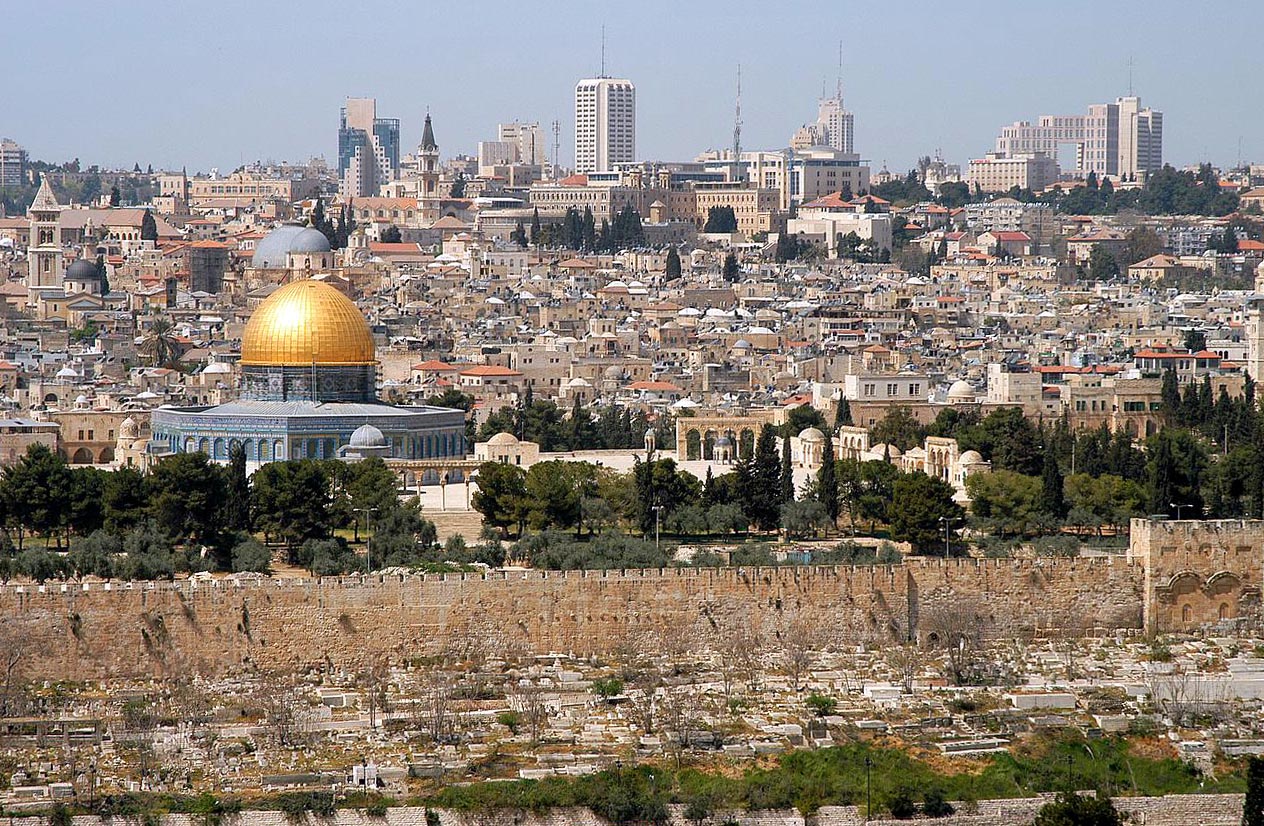
The Jewish faith of Jesus’ day is sometimes called ‘Second Temple Judaism’ — the period when the rebuilt temple in Jerusalem stood. Worship centred on this temple, but daily religious life happened in local synagogues, where Scripture was read, prayed and discussed.
Several groups shaped the conversation: Pharisees focused on faithful living and the law in everyday life; Sadducees were associated with the temple establishment; others, like the Essenes, withdrew into more separate communities. Jesus interacts with these groups throughout the Gospels.
A people of memory and hope
Many Jews in the first century longed for God to act decisively — to restore Israel, defeat foreign rule, and bring the promises of the prophets to fulfilment. There was no single agreed picture of what this would look like. Some hoped for a political deliverer. Some hoped for a renewed priesthood. Some hoped for a great prophet like Moses.
Into this expectant world, Jesus began to speak of the kingdom of God arriving — and his words landed differently than people expected.
Why context helps Gospel reading
Knowing this background changes how you read familiar passages. A story about taxes, a healing on the Sabbath, a meal with the ‘wrong’ people, a Roman centurion’s faith — all of these are loaded with meaning in their setting.
You don’t need to become a historian. But carrying a basic sense of Jesus’ world with you, like a map in your back pocket, deepens almost everything you read in the Gospels.
How this helps you read the Bible
- You’ll catch the political edge of words like ‘kingdom’, ‘Lord’ and ‘good news’.
- You’ll understand why some encounters with religious leaders are so tense.
- You’ll see why so many first hearers had to rethink what kind of saviour they were hoping for.
Read these two passages and notice the political and religious world breathing around the story.
- Luke 2:1–20
- Mark 1:14–15
Questions to ask
- What political details does Luke mention in his birth narrative?
- How might Jesus’ announcement of the kingdom of God have sounded under Roman rule?
- What expectations do we bring to Jesus today that might also need rethinking?
- Choose one Gospel scene you know well, and re-read it with first-century context in mind.
Now we turn to the centre of the New Testament — the life, teaching, death and resurrection of Jesus.
Continue learning
Mark this session as complete to keep track of where you are.